Why You Should Worry About Moss and Algae on Your Roof
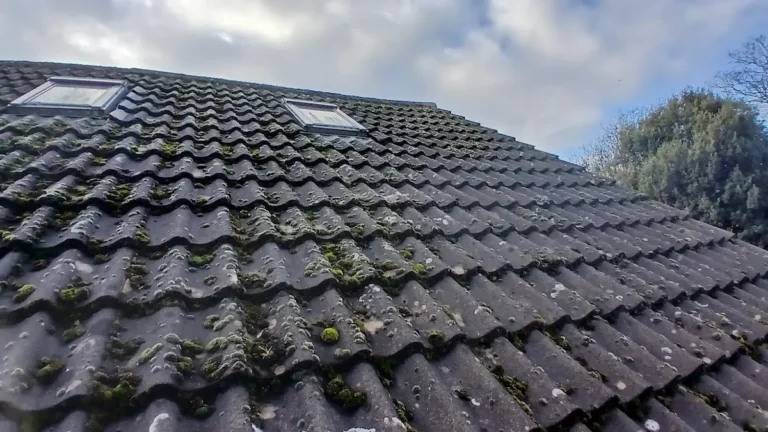
Moss and algae may seem harmless at first, but they can cause serious damage to your home over time. These organisms thrive in damp, rainy climates, spreading quickly across roof tiles, especially on north-facing or shaded parts of the roof. Not only do they make your home look unkempt, but they can also trap moisture, leading to cracked shingles, wood rot, and costly repairs.
Controlling moss and algae isn’t just about curb appeal—it’s about protecting your home’s structure, your wallet, and even your safety. Left untreated, moss growth can shorten yur roof’s lifespan and lead to wxpensive repairs over time.
Top Reasons to Prevent Moss and Algae on Your Roof
Protect Your Roof’s Lifespan: Moss holds moisture, which can lead to deterioration of roofing materials, cracking, and rot.
Maintain Your Home’s Value: A clean roof improves your home’s appearance and market value—especially important if you’re thinking about selling.
Avoid Costly Repairs: Regular upkeep is far cheaper than fixing major roof damage caused by years of neglect.
Prevent Accidents: Moss-covered shingles are slippery and dangerous, especially on steep roofs.
How to Prevent Moss and Algae from Growing
Choose the Right Materials
Opt for moss-resistant roof tiles or suitable roofing materials when building or replacing your roof. Some roof tiles are specially treated to resist moss and algae from the start.
Keep the Roof Clean
Regularly remove leaves, twigs, and debris from your roof. These items trap moisture and create a perfect environment for moss and algae to grow.
Clean Your Gutters
Clogged gutters mean standing water, and that can encourage growth on your roof’s edge. Make sure your gutters are flowing properly all year round. professional gutter maintenance can help keep property and supports a healthy, dry roof.
Trim Overhanging Branches
Shade keeps roofs damp. By letting more sunlight reach the surface, you reduce the risk of moss taking hold.
Install Zinc or Copper Strips
Installing strips of zinc or copper near the roof ridge can help prevent growth. When it rains, these metals release small amounts of natural moss killer
How to Clean Moss and Algae Off Your Roof
1. Manual Moss Removal
Manual moss removal is often the safest first step, especially where moss has built up on roof tiles. It helps clear heavy growth without relying on high-pressure washing, which can damage some roofing materials if used incorrectly.
2. Soft Washing Where Suitable
After moss is removed, a suitable soft-wash treatment may help reduce remaining organic growth and slow down regrowth. The right method depends on the roof condition, tile type, and access.
3. Professional Help
If the roof is high, steep, fragile, or heavily covered in moss, it is safer to use a professional roof cleaning team. At Gutters Gurus Ltd, we use careful manual moss removal and suitable low-pressure or soft-wash methods to clean roofs safely and protect the property.
Safety Tips for Roof Cleaning
-
Always wear non-slip shoes and use proper safety equipment.
-
Never walk on a wet roof, as it significantly increases the risk of slipping.
-
Avoid working alone and make sure someone is nearby in case of emergency.
-
Avoid roof cleaning during strong winds, rain, or extreme weather condition.
-
If the roof is steep, high, or difficult to access, consider seeking professional assistance.
Conclusion
FAQs
How can I stop moss from growing on my roof?
Keep your roof clean, install moss-resistant materials, trim nearby trees, and ensure good drainage through clean gutters.
Is pressure washing safe for my roof?
No. High-pressure washing can damage your shingles. Always use low-pressure methods or hire a professional.
Are moss-killing products safe?
Most over-the-counter products are safe if used as directed. Wear gloves and a mask, and choose eco-friendly options when possible.


